
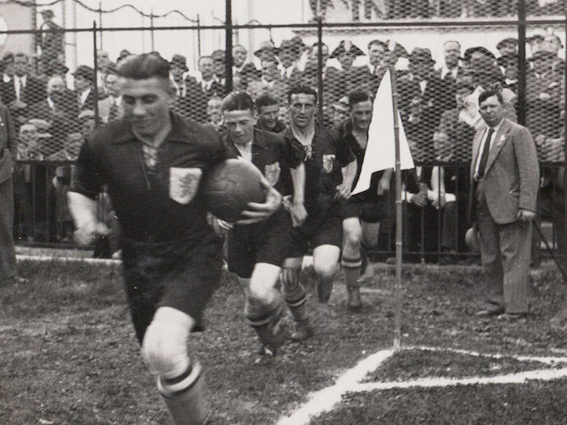
Time to move on. And no, I will not start this with “The Future is Bright”. How many times did I start a post tournament post here with these words. But we need more.
So, what needs to change and what is ok and needs to be further strengthened.
Quick and dirty:
Dutch Football Philosophy? Nothing wrong with that. Lets strengthen it.
Technical and Tactical Quality of Dutch Players? Football qualities are perfect.
Mental strength and personality of players: Needs strengthening
Coaching Quality: Needs serious work!
Technical Management KNVB: Needs serious work, but with Nigel de Jong on board, I have faith.
Implementation of Dutch Football Philosophy: NEEDS SERIOUS WORK!
A look at the squad for the next 4 years….
 We don’t need to worry about quality players, as mentioned. We will have more than decent goalies, in Verbruggen, Roefs, Billow, Olij… In the defensive line, we can miss Virgil and De Vrij. Dumfries will be the oldest player once Memphis and Van Dijk take their bows.
With De Ligt, Timber, Van Hecke, Botman, Van de Ven, Hato, Geertruida, Nijland, Teze, Janse we have more than enough quality at the back.
Midfield is also not a big issue, when Schouten and Simons are back in the fold and Kees Smit, Valente and Steur will keep on developing. Ken Taylor is an option too of course.
Up front, we are light, but Summerville is a tremendous option – finally – for the right wing and Gakpo, Lang, Van Bommel and other can battle for the left winger role.
Centrally, with Emegha, Meerdink, Van Persie and even Guus Til, we are a bit lean but still, there’s options. And if all fail, we can always ask Daley Blind to come back.
I don’t think the players are the issue
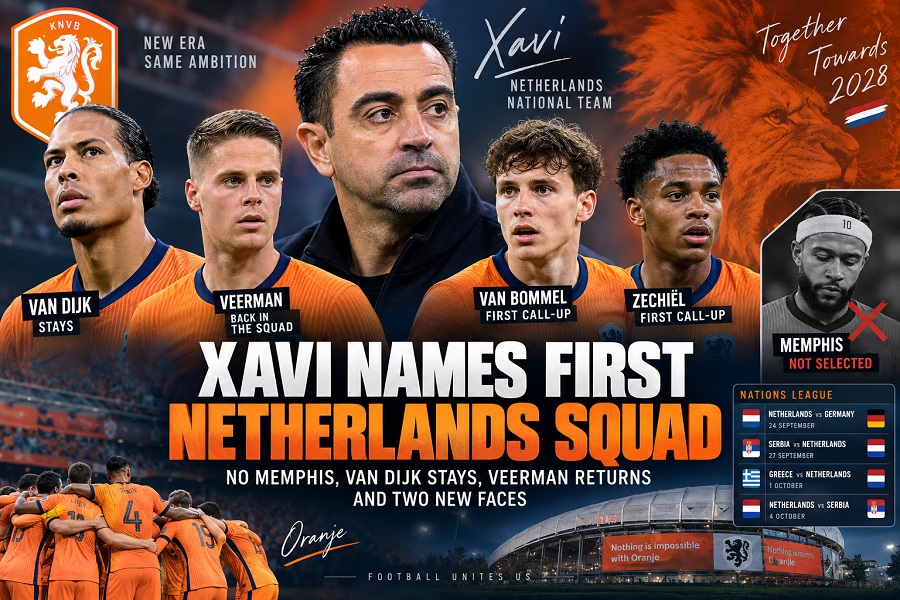
Nigel de Jong recently came out saying that “things will need to change” and I can only see this as a little poke towards Koeman and the people who decided on the coaching before Nigel.
Koeman was there already of course and De Jong will have had to bite his tongue, but I expect the former Man City midfielder to make a difference now. And don’t forget: the ultimate baller Clarence Seedorf is a KNVB director now, so we have to expect positive changes.
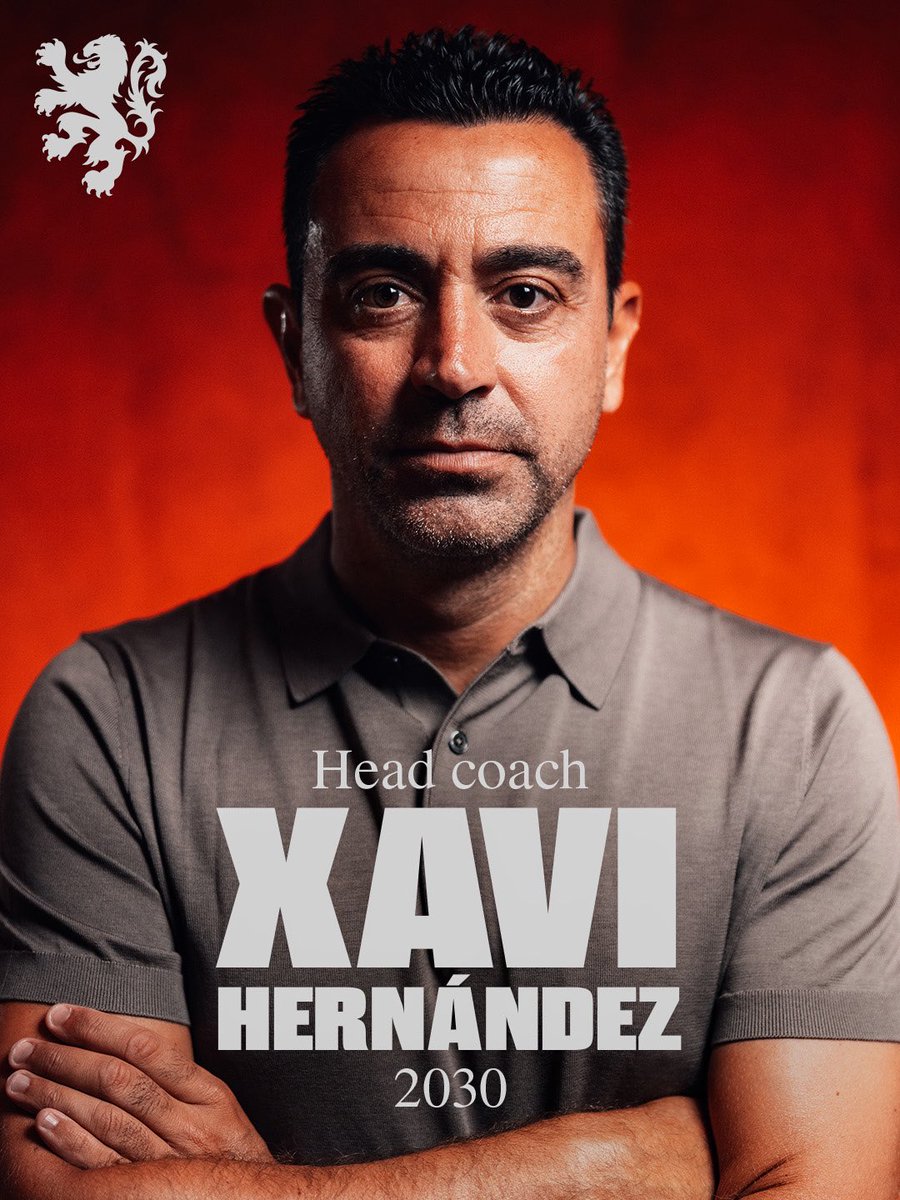
In terms of implementation of that erstwhile grand Dutch football identity, we need to find the right coach to lead the charge.
But before we select a coach, Nigel and his people will have to find a way to marry the Dutch identity with the modern day demands of top football.
Here are the key football trends I’m seeing from the Champions League and WC 2026 so far, with implications for Oranje:
1. High-Intensity Counter-Pressing (Gegenpressing) & Transitions
- Teams that win the ball high and immediately counter-attack are dominating. Low blocks are vulnerable; quick verticality and chaos creation pay off.
- For Netherlands: Emphasize aggressive pressing triggers and quick transitions. Frenkie de Jong thrives in space — build systems that give him options to break lines rather than static possession. Players who cannot deliver on this, particularly forwards, should not start (Memphis, Weghorst).
2. Return of 4-4-2 / Balanced Midfields & Fluidity
- Many successful sides use compact 4-4-2 or variations for defensive solidity + quick attacks. Midfields are more fluid/dynamic, with players rotating roles.
- For Netherlands: Move away from overly possession-heavy or rigid setups. Hybrid systems with two holding mids + creative 10s could suit the current squad better than pure 4-3-3. As I mentioned after the Morocco debacle: why not use a 4-4-2 if you are afraid of Hakimi. Use Gakpo and Summerville as speedy forwards and use Reijnders and someone like Timber to stack the midfield and have Reijnders be the false 9. AC Milan and Oranje 1988 had success with an attacking 4-4-2.
3. Set-Pieces & Delivery from Wide Areas
- Corners, throw-ins, and inswinging crosses are decisive. Teams prepare them meticulously.
- For Netherlands: Invest heavily in set-piece specialists. Use tall, athletic players (Gakpo, Van de Ven, De Ligt types) more effectively in attack.
4. Impact of Substitutes & Squad Depth
- Fresh legs change games late. Managers treat squads as larger units with high rotation.
- For Netherlands: Build depth and fitness models for high-intensity, multi-phase matches. Avoid over-relying on starters.
5. Evolution of Positional Play
- Rigid positional play is being challenged by man-marking and aggressive pressing. Principles over patterns: adaptability, decision-making under pressure, and “playing what is in front of you.”
- For Netherlands: Keep the technical foundation but add more pragmatism, directness, and chaos management. Avoid being “too Dutch” (over-passing in tight spaces). Van Gaal was notorious for rigid positional play. Memphis was instructed not to leave a certain area, while he was at Man United under Van Gaal. Enrique at PSG showed us how it is done.
6. Goalkeepers as Playmakers & Build-Up from Back
- Modern keepers initiate attacks; defensive lines are higher.
- For Netherlands: Continue developing distribution from the back (e.g., Verbruggen, Roefs are excellent with their feet and so is Flekken).
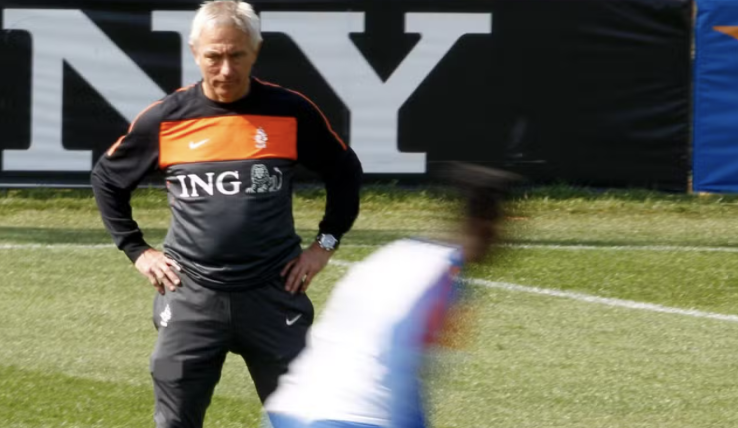
Overall Philosophy Recommendation: A pragmatic, high-pressing 4-2-3-1 or hybrid 4-4-2 that blends Dutch technical quality with Premier League-style intensity and adaptability. Focus on winning duels, quick transitions, set-pieces, and squad management. The era rewards teams that are hard to play against and clinical in moments — not just beautiful possession.
Build-up play, forward passes, through balls, and runs in behind are areas where the Dutch NT can modernize while staying true to its DNA of technical quality and spatial awareness. Here’s how current trends (from CL and WC 2026) apply, with practical recommendations:
Current Trends in Build-Up & Progression
- Shorter, patient build-up from the back is still common, but successful teams combine it with quick verticality when opportunities arise. Goalkeepers and CBs are expected to play progressive passes under pressure. Our new coach needs to select defenders on their ability to play the vertical pass. Van Dijk: not so good, Van Hecke: way better.
- Through balls and runs in behind are highly valued — teams that create and exploit “pockets” or half-spaces with timed runs are dangerous. Static possession is punished by aggressive pressing. We need players who run deep.
- Midfielders as connectors: Players like Frenkie de Jong excel when given options to play forward. Isolated midfielders get crowded out (as seen vs. Morocco).
Recommendations for an Improved Dutch Philosophy
- Structured yet Fluid Build-Up:
- Use a 4-2-3-1 or hybrid 4-3-3 with one deep-lying playmaker (e.g., de Jong or Gravenberch) and another more box-to-box.
- Encourage CBs/full-backs to step into midfield for numerical superiority in build-up, then quickly release forward passes.
- Goal: Progress the ball into the middle third rapidly rather than sideways passing in your own half.
- Emphasize Forward Passes & Through Balls:
- Train line-breaking passes as a core principle. De Jong’s vision is world-class — design patterns that give him clear lanes (e.g., full-backs overlapping or wingers making diagonal runs).
- Drills: “Pass and move” with emphasis on third-man combinations and quick one-twos to create space for through balls.
- Reward risk: Encourage progressive actions over safe sideways play.
- Coordinated Runs in Behind:
- Develop timing and synchronization — strikers/wingers making curved or blind-side runs to exploit spaces behind the opposition’s defensive line.
- Use the “false 9” or mobile forwards (Gakpo-style) who drop deep to create space, then burst in behind.
- Tactical trigger: When the opposition presses high, immediately look for the vertical option rather than recycling possession.
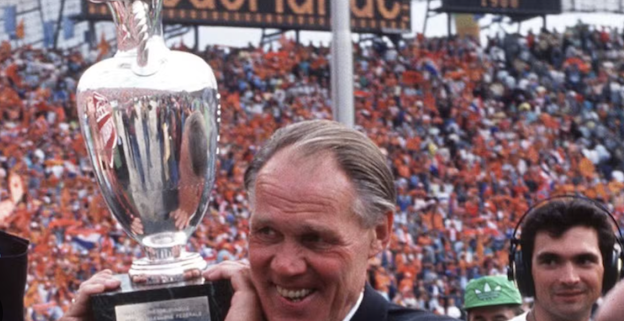
Practical Training & Tactical Adjustments
- High Press Resistance: Build-up must handle aggressive counter-pressing. Train “escape passes” and rotations to avoid being crowded in midfield.
- Positional Rotations: Players interchange roles fluidly (e.g., midfielders pushing higher, wingers tucking in) to create overloads and passing lanes.
- Data-Driven: Use metrics like progressive passes, passes into the final third, and successful through balls to measure improvement.
- Squad Fit: Leverage technical players (de Jong, Reijnders, Simons) for creation, while adding athletic runners (e.g., Dumfries, Malen) for the “in behind” threat.
This approach would make Oranje harder to press, more vertically dangerous, and true to its creative heritage — without being predictable or overly possession-obsessed. It addresses the “crowded midfield” issue by creating better structure and movement.
Personalities and Characters
Winning teams need personalities. Call it “winners” or “grinta”. We used to have these. Cruyff, Van Hanegem, Gullit, Wouters, Sneijder, Van Bommel… Most successful nations have or used to have them. Enzo Fernandez, Erling Haaland, Granit Xhaka, Gattuso, Roy Keane, Lothar Mattheus, Hierro, Pepe…
I think we miss these, at the moment. I think Van Hecke has it. Apparently, it is why Marten de Roon is liked by most coaches. But otherwise. Why don’t we have these guys anymore?
What changed?
- Cultural Changes: Dutch society is more consensus-oriented and less hierarchical. Youth development emphasizes technique and creativity over old-school grit.
- Modern Game: High pressing and physical demands reward athletes like Haaland. The Eredivisie is technical but less physically intense than Premier League or Bundesliga.
- Squad Dynamics: Current generation is talented but perhaps lacks the dominant alpha personalities of the past. Success in clubs (e.g., de Jong at Barcelona) shows capability, but international consistency lags.
- Perfect circumstances: in the olden days, our pitches were mud, our balls were heavy, the tackles were fierce and youth players had to bike for 30 minutes to get to the club. Today, pitches are perfect, balls are light, we get offended by anything, and the club bus will pick the youthful talents up from their homes.
Not all “soft”: Players like Virgil van Dijk, Denzel Dumfries, or Brian Brobbey bring physicality. The issue is often collective mentality and leadership on the pitch.
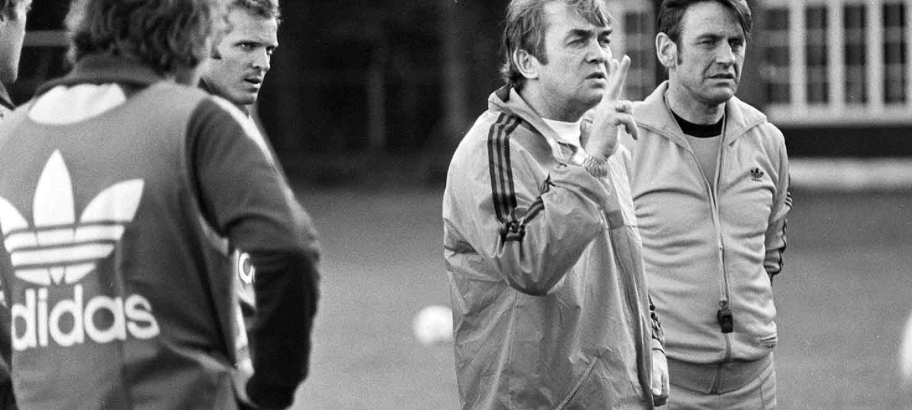
A new coach could address this by demanding more intensity, vocal accountability, and “street smarts” alongside the Dutch technical base — blending the old fire with modern athleticism. It’s fixable, but requires cultural buy-in. And it requires a coach who will demand it.
“Winning mentality versus de mantel der liefde” is a sharp way to frame a real cultural tension in Dutch football (and society).
De Mantel der Liefde
This Dutch expression means “covering with the mantle of love” — a tendency toward tolerance, consensus, avoiding direct confrontation, and smoothing over problems to maintain harmony. It’s polite, empathetic, and socially cohesive, but it can lead to:
- Not calling out underperformance or tactical errors clearly.
- Prioritizing “team spirit” over ruthless accountability.
- Hesitation to make tough decisions (e.g., dropping big names or demanding more intensity).
In the NT context, this can manifest as players/coaches being too nice about mistakes, avoiding public criticism, or accepting “we did our best” after losses instead of demanding more. Did Frenkie, or Virgil or Denzel speak up against Koeman?
Winning Mentality
This is the opposite: relentless drive, high standards, brutal honesty, and a “no excuses” culture. Think:
- CR7 or Haaland’s obsession with winning and self-improvement.
- Leaders who confront issues head-on (like Xhaka’s intensity or Sneijder/Gullit’s outspokenness in the past).
It prioritizes results over feelings, demands accountability, and fosters a culture where mediocrity isn’t tolerated.
The Dutch Tension
The Netherlands excels at technical beauty and creativity but has often fallen short in major tournaments due to this balance. The “mantel” helps with squad harmony (less drama than some nations), but it can blunt the edge needed against ultra-competitive sides. Past successes (1988 Euros, 1970s WC runs) came when strong personalities (Cruyff, Van Hanegem, Gullit, van Basten) injected winning ruthlessness.
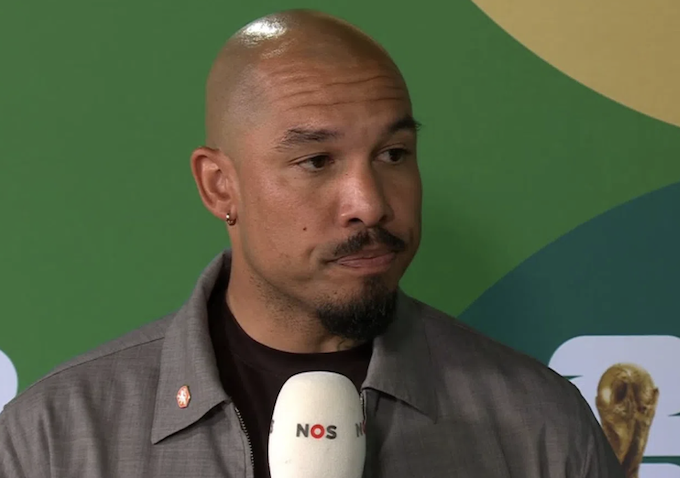
Modern Challenge: Current players are talented and likeable, but the team sometimes lacks that killer instinct or vocal leadership when things go wrong. A new coach could bridge this by:
- Encouraging constructive confrontation and accountability (without toxicity).
- Building a “ruthless harmony” — high standards delivered with Dutch pragmatism.
- Selecting or developing players with more “edge” alongside the technicians.
It’s not either/or — the best teams blend both: Dutch creativity + a winning edge. Finding that mix is key to ending the “always the bridesmaid” narrative.
And once Nigel de Jong and director Clarence Seedorf have realised all this, this should become the new protocol for Oranje and should form the basis for the selection of the new coaching staff.





@ Jan,
Another great post. With all being said, who’s out there and available in your opinion that can deliver all of that?
Peter Bosz, Arne Slot, Kluivert/Pastoor, Van Bommel/V Marwijk?
Excellent article.
Didn’t know Seedorf is now the director. I have always wondered why he’s so popular. He was an immense talent at the club level, but I feel like he underperformed for Oranje for whatever reason. He is doing well as a commentator for the English broadcast in the US even thought they don’t give him as much time as the others.
Winning culture matters. I favor coaches with experience and a record outside of the Eredivisie. I read some rumors that Slot is talking to the KNVB? I think he would be the better choice if we are going with a Dutch manager. It is unlikely Pep or some other high profile non-Dutch option is considered.
Personality matters also. Someone with gravitas, honesty, fairness, no drama individual would be ideal. Modern sports is geared towards star players more so than managers in the past. It’s imperative to maintain a cohesive and functional dressing room. Learn and avoid mistakes from past teams. Have a good supporting cast of assistants.
I would like to add that one of the things that annoyed me with Koeman was his reluctance to bring in and test new young players. It is demoralizing to a lot of these players. Summerville for example was never given a chance till he came in almost towards the beginning of the WC. Nobody on the team should be a permanent fixture. Everyone should be challenged. Even goalkeepers need to be rotated. And current form and fitness should determine game day starts, not seniority or favored starters.
Also go aggressively to lock in promising players with dual or triple nationalities early. It is now a very tough competition for talent as Morocco, Egypt, and others start building capable and contending teams.
Encourage young players from the Eredivisie to go into Germany, Spain, Italy etc at least for a few years to get regular playing time and continue their development, rather than warm benches and be a part of someones gamble at top PL clubs.
And focus on developing center forwards, strikers, and attacking midfielders. It’s like we went from having a continuous pipeline of world class strikers to basically having a glaring issue in the position. Maybe this needs to be worked on the academy level, or teams now just dont prioritize a focal point player like they used to. Whatever it is, a clinical and top finisher is still in huge demand in the modern game at club and country level.
And finally, do something about penalties. I hope the next manager and coaching staff take that seriously and start winning games that go to penalties.
Clarence is not the Managing Director, but a non executive director, on the Board (commissarissen). He oversees management. But with Nigel as Technical Director, the two of them run the roost.
I can see them picking Kluivert, with Pastoor and Reiziger as assistant coaches.
Clarence role in Oranje has always been a bit iffy. He demands the 10 role and most club coaches created the team around him. He needed to be the top dog. But sharing that with Cocu, Frank de Boer, Bergkamp, Davids, Van Bommel was not always easy for him. At some point, he got the name to be difficult and national team coaches decided to bypass him.
It’s a shame. He was from another planet.
Thanks for the in-depth analysis, Jan. I’m in agreement with the vast majority of what you’ve outlined, although I have a few thoughts of my own which are probably more “big picture” and perhaps a little idealistic:
Stylistically, the modern trend in soccer is clearly to move away from the traditional creative #10 and to rely on athletic, ball-progressing midfielders, and to win back possession in the opponent’s half as a primary means of generating scoring chances. Attacks from the flanks are almost exclusively the domain of wingbacks, and traditional wingers are now more frequently inverted and play in the half spaces. Defensive structure now incorporates either three center backs or two with a deep lying holding mid who can drop into the back line. Coaching emphasis is either on ball dominance and strict positional play or alternatively, frenetic pressing and countering. That said, risk-taking (by both team in possession and the team without the ball) is minimized. Clubs and national teams attempt to implement these modern philosophies with varying degrees of success, and overall modern player development has been tracking these changes over the last 10+ years.
Personally, I don’t like very much of this. In my mind, the modern approach stifles individual creativity (both for players and coaches), relies far too much on structure and shape, over-emphasizes patterns and automatization as means of solving problems, and just standardizes styles of play to the point where soccer becomes boring. Additionally, the developmental point I alluded to above may become problematic itself in that we are no longer truly generating traditional attacking players, just a wing-striker-CAM combo who is a jack-of-all-trades but master of none. Players that previously would have developed more sublime skills as a #10 are now asked to do a little bit of everything in a more advanced position, and players that were intended to be pure finishers no longer develop those clinical skills either. While this modern approach to creating generic “forwards” allows for greater versatility and positional interchange along the frontline, it reduces overall creativity and skill in favor of industriousness in the midfield (Frenkie being somewhat of a deep-lying exception).
So for us, I think we need decide whether we want to go all in on the modern style or instead go our own way. Personally, I’d like for us to re-emphasize many of the traditional Dutch principles that we’ve made famous, which I think are reflected in many of the “trends” you identify.
1. Pressing – I agree that pressing and transitional play is a positive and must be implemented in a team-wide framework, but amongst the frontline, you have to have players who are committed from a work-rate and cohesion standpoint and who can adapt quickly to changing circumstances. The goal should be to always deny your opponent space and time to make good decisions, and to get the ball back ASAP.
2. Positional Fluidity and Freedom – Despite my preference for more refined midfield players and traditional wingers, I am fully in favor of versatility and fluidity. Further, allowing the players to work off of each other in both attack and defense with more freedom forces them to read the game better themselves and not have to rely on coaching diagrams and schematics to dictate where they should be at any given moment. This ability becomes even more important when things break down and the team is not having success (as often happens) – the players can adapt themselves on the field rather than having to rely on the manager to give direction and sort it out for them. The frustration we all experienced with Dumfries and Summerville not able to collaborate effectively during this WC is exactly what this approach would hope to avoid.
3. Versatility in Point and Style of Attack – Teams that are predictable are easier to stop. Teams that can attack both centrally and with width, through methodical build-up or quickly on the counter are extremely difficult to prepare for and structure around. Set pieces are important to be able to execute efficiently, but in my mind, scoring from open play should always be the #1 objective. Chess is easier against an opponent who follows the rules and known strategies; spontaneous innovation and inspiration are almost impossible to counter in real time, and so we should encourage creativity and problem-solving in all our players.
4. Depth and Interaction – I agree that squad depth and familiarity are essential, particularly given all of the above principles and the increasing need in modern soccer to rotate players and keep them fresh. Ultimately, players have to be comfortable, confident and familiar with each other enough to read the game collectively. This cannot really be forced and has to happen organically through game play, and so we should want as much participation as possible from all the national team candidates to develop this type of cohesiveness.
5. Verticality – I agree also that opportunities to get the ball moving vertically have to be recognized and seized. We need to reward the ambitious and creative attempts at advancing the ball into dangerous areas (the “line-breaking passes” you reference), but not so much that possession becomes limited and players are unwilling to engage in thoughtful movement off the ball. You have to have the ball to score, but we are often stagnant when we have it and look like we’re keeping it just to rest or preserve the status quo far too much.
6. Grit / Proactivity / Player Agency – Perhaps the most frustrating aspect of watching our recent Oranje sides is that we don’t show the necessary fight and intensity until our backs are to the wall. A great example was down 2-0 to Argentina in 2022 when the players shrugged off the stifling tactics and just went for it. It was not great soccer / football, but we rallied in amazing fashion because we suddenly decided to play all out. We need to condition our players to seek to take the game to the opponent proactively from the outset and not let them dictate style, tempo, etc., and most importantly not let the scoreline dictate our energy and intensity level. At the end of the day, a lot of this comes from players’ own agency – do they have the autonomy to play or are they constricted by how the manager runs the team? It obviously can’t be a free-for-all tactically, but empowered players tend to be far more effective in turning the tide of a match in their direction than those who are looking for someone else to fix things for them.
Just my few thoughts, but overall a great write-up Jan, and lots to think about for the coming generations!
Well said. I think we’re pretty close in our views. Personalities is a key thing. The reason why Oranje impressed in the 70s is not due to Michels, but mostly due to Cruyff, Van Hanegem and Wim Jansen.
I’ve been meaning to respond to this, but got distracted. I think I mentioned previously that I got to watch Johan Cruyff play in DC with the NASL Diplomats when I was a kid. Jansen actually came along too. I found a preseason program from the 1980 season that included the following notes:
“This past February, the Washington Diplomats made the biggest move of all. International superstar Johan Cruyff will be in a Diplomats uniform, signed to a multi year contract that the press has valued at over $1 million. Not only have the Diplomats added Cruyff to the squad but they have also brought two other world-class players to Washington. Wim Jansen, a member of Holland‘s World Cup finalist team in 1974 and 78 and Lozano will bolster the midfield along with Cruyff.”
I haven’t been able to watch today’s game, but it seems we taught France how NOT to play against Morocco.
First half stats:
France
50% possession
1.87 expected goals
13 total shots
3 shots on target
16 touches in opposition box
3 big chances
Morocco
50% possession
0.05 expected goals
1 total shot
0 shots on target
1 touch in opposition box
0 big chances
France showed how it is done. They controlled the tempo, they attacked and defended well with confidence. They were not bothered much by Morocco. 3 strait clean sheets. Only Senegal and Norway each scored 1 against them in the group stages.
They recover the ball very quickly. They press, their frontline will keep any team occupied. One of the best way to break down teams sitting back and playing the low block is to dribble at them and shoot from distance. At some point the defending team will foul at a dangerous position. Either a free kick outside the box or a penalty like what happened with Doue vs Paraguay. Both goals for France in this game came from distance with individual skills.
As far as Morocco, it is a huge accomplishment to make it to the QF in back to back WCs. France was just too good for them and knew their style of play and what to do.
Well let’s see who else gets to the SFs.
Agree! Looking forward to this Spain – Belgium matchup today from a tactical perspective, and Norway – England tomorrow from a pure fun standpoint!
Wow! I”ve been casually watching Spain vs Belgium with the sound off while working, and there has been some scintillating ball movement, creative flicks and very nice attacking play, although the scoreline remains 1-1 in the 80 minute…
Haha, same here. Belgium was holding its own. They were attacking, creating chances, and defending well. Not giving Spain a free run. They sneaked in without anyone talking much about them. But Spain got one decent chance that the backup goalie spit out, and Merino pounced on it. That was the difference in the end.
Yamal so far has been underwhelming. Defenses know what he wants to do like Gakpo, and they’re double teaming him, and cutting his spacing and passing lanes. This will be a tough showdown with France now. Let’s see who comes up on the other side of the bracket.
Argentina has been blessed or fixed (whichever you believe) with easy groups, and opposition so far. Funny thing is that both Cape Verde and Egypt made them sweat. England is also quietly on the verge of a SF if they can handle Haaland.
@ Jan
Did you mention Patrick Klivert as our next coach? Lol
On what ground? So far Klivert has tried in a few small places but was always let go. No experience
I’m surprised you even think about Klivert.
So now, we have to try all of our ex players
I mentioned him in relation to Pastoor. I think Pastoor is a top coach. Kluivert is a figure head. Good with players, media and sponsors. He was great as a youth coach at Twente.
The jobs he tired later on were a bit hidden from view (PSG, Barca) but I am not sure if they fired him for not performing. In those clubs, new management means they kick every one out.
The Indonesia Federation was very pleased with him and not reaching the World Cup is not considered a disappointment there, but something to be expected.
Kluivert has aura, Pastoor tactical nous, just add Reiziger and / or Bogarde and there is a very decent team of coaches.
The team really need to up their intensity and speed of play. Always feel the players are holding back, trying to pass their ways around and not willing to press and run the extra miles. I don’t think it’s a fitness issue, but more of coaching/instructions. You will tend to not press or/and run when you aren’t sure how the rest will cover you or adjust. This is down to coaching and instructions.
We have the players to play 433, 442 etc etc. The players are technically, tactically aware individually, just that they are never gelled together as a team, something which surprised me a lot given that RK has 4years with the team.
Another thing which Jan mentioned well is leaders who hold accountability and push the others to excel. The team atmosphere is too cordial I would say. Sometimes pressure is needed in order to stay sharp, alert and excel. Think of LVG who I believed created such atmosphere. Thiugh for LVG, i would think his demand of adhering to a structure will not work with the current crop of players who should be given the freedom to play. LVG style works well with young players.
Good game today. For the first 70 minutes, as dangerous as Spain looked, Belgium looked like they had a chance to win. But Spain—what talent—kept bringing fresh players who were as fast and skilled as the players they replaced, (Williams, Pedri, Torres, Merino), and their approach never changed. Belgium’s subs weren’t at the same quality, and by the last 20 minutes, in that heat, Belgium was just holding on. Their (sub) GK made an error late, and that was it. But the way they Spain had them hemmed in, it looked like just a matter of time.
Admiration for Belgium, though. They played with organization, clear understanding of roles, in sync with each other, and belief in the tactics can accomplish—that is what the new coach needs to bring, regardless of what system he installs.
Actually till now, I haven’t come across anyone able to tell exactly why are we conceding goals despite having top notch defenders in Van Dijk, Van Hecke, Dumfries and Van de Ven + many others. Is it a mindset, mental problem, or is it an organization problem? It’s just baffling we can’t keep a clean sheet and always concede after leading,
Maybe Jan can help to analyse here or provide some expert insights gathered.
My own personal take is that for example start with Dumfries… he is supposed to be our RB, but he spends most of his time in the opponents box. If you see Kounde for France, he pushes up when it’s safe to do so, but he reverts back enough so that he’s never caught out of position.
Our defensive line is too high into the opponents box. Again taking France as the benchmark, Saliba and Upemacano do not go that far up like Van Dijk and Van Hecke were doing.
We also were not using traditional DMs. Frenkie and Gravenberch were rotating in that position. It is good they have fluidity, but for a serious defensive setup, it is good to have a dedicated DM with good passing and distribution skills that plugs the gap between the CBs, and also starts the offense on a counter.
Van de Ven is a true CB playing as a LB. It worked to some extent due to his size, speed, and physicality, but he did struggle at some points. Ake truly showed his age and his speed was gone for all to see vs Morocco. Van Dijk missed some clearances that led to goals vs Japan and Morocco.
And finally, Verbruggen was amazing with his defending, but I feel like he doesn’t control his box aerially. He doesn’t come out to punch or grab balls in the air as much as he should. He stays back on his goal line and relies on his reflexes. Some of the headers we conceded was where he trusted the CBs to clear, but they missed. Those were very long crosses where a goalie can come out and swat or grab them. It is a risk if he missed them, but he needs to work on that part of his skill
So, to sum it up, IMHO, we have defensive lapses because of the things I mentioned above. Koeman’s formations and substitutions. But this is also a mentality issue because this is a constant weak spot of almost all Dutch teams. Club and country. The focus is always attacking and scoring the most goals. Defense is reactive and not proactive.
Nothing I can add to this. Well said.
Norway vs England was a little cagey to start with, but it’s opening up now. 1-1 just before halftime on two great goals! I hope it continues to be entertaining — two of the best number 9s in the world going head-to-head, but so far the scoring is coming from elsewhere
In a match with so many Arsenal players, it’s only fitting that Trossard is reffing
Such a strange approach from England in the second half. They’re clearly the all-around more talented team, yet they’re letting Norway run the game, and Norway is getting better and better chances.
Just zero creativity from England other than a few bursts from Saka. Also, I really enjoy watching Odegaard as a player. His passes send messages to his teammates of what he wants them to do when the ball comes to them. You can definitely see a Dutch influence in his game!
But odegaard really needs to work on his finishing he is so weak in front of goal… Gets so many chances and lacks the oomph
Odegaard does a lot of work outside the penalty box, but yes, is underwhelming in there. He’s a pass first midfielder. Doesn’t have that elite goalscoring like Kaka, or even De Bruyne/Bellingham from his current peers.
And of course, England scores a rebound goal by Jude Bellingham. He’s a good player, but has absolutely been in the right place in the right time throughout this tournament.
England have not impressed in their style of play. They spent a lot of time just sitting back and defending. It is risky vs good teams that put away chances. But they got the job done vs Mexico, and now vs Norway. At the end of the day, that’s what matters. Getting a win!
To me, England’s wins over Mexico in Mexico City and Norway have been the toughest kockout road that any of the remaining teams have had so far. Putting aside how the decisons have “fallen” for Argentina, their defense has looked beatable against teams that don’t have England’s overall attacking strength—Kane, Bellingham, Gordon, Saka, Rogers, et al.
Saka is the only player (with Madueke, but they never play together) with Eze who can dribble and take a man on. Gordon, Rashford, Bellingham, Rice, these are all runners.
Morgan is also a bit similar to Anderson to me.
They should have taken a creative 10, a Palmer of Foden. They’re too predictable, but…. having said that, they’re in the semis.
In my opinion, De Jong should step away as well. You don’t take the highest position, watch these performances for years, and decide everything is fine. Then, when it all falls apart, you can’t suddenly pull a surprised Pikachu face and claim it’s a problem left by the people before you.
@Kevin, agreed!
Thanks Lucas!
🤣🤣🤣🤣🤣 at “surprised Pikachu face”
NdJ was never the most technical player so not sure why we chose him as technical director
We all know how they chose candidate 🙂
Qualification:
_ Ex player
_ Zero experience needed
I think Slot is the best option of Dutch managers. I wish they paid the money and went after someone like Pep, but that’s a very low probability. Not sold on Kluivert, or any former player with a thin or non-existent resume. We do have a new blank sheet to start, rebuild, and develop. Let’s not mess this up.
It looks like it will be Slot. He is already negotiating with Liverpool for reduced severance package to take Netherlands job.
France’s midfield got exposed, and Spain made them pay. For all the high flying superstars they got, their midfielders weren’t really creating quality passes and opportunities for their forward line when they had possession. They missed the old Zidane, Kante type of creators and engines in the middle. Olise, Touchameni, Rabiot, Mbappe didn’t show up today. They got outplayed by Rodri and Olmo. It was a disorganized and shocked French team. And Deschamps as we all know isn’t really a tactician when things are not going well.
Spain don’t have superstars on that team beyond Yamal and maybe Rodri, but each player is solid. I still feel they feel underwhelming so far. But then again, every team we have watched so far also has its issues. It’s one of these tournaments where a good cohesive unit with a plan can get a victory. They were able to deny the French the ball and frustrate them. Very poor performance from France. As a neutral watching this, good luck to Spain. We shall see what England and Argentina produce tomorrow.
It was definitely a stars vs team / individuals vs collective dynamic today, and after the penalty, France really couldn’t do much of anything consistently. And by 70+ minutes into the match, they were still without even a shot on target! Just stunning, and probably the result of an overconfident approach by Deschamps and staff.
Spain was not great, but they persisted in their traditional approach and dominated the midfield, and move on. They will be a formidable adversary for whoever they face in the finals.
I thought Spain was superb today. On offense their movement was smart and clean, they seemed to always know where free man was, so they controlled the ball and had France chasing all day. On defense, their movement was just as good; they hunted the ball in packs and rarely gave France any room to create. France must have felt like they were playing through a cloud today.
One question, why wasn’t there a handball on Yamal’s penalty? It looked like the ball hit his arm not far above the elbow.
Spain showed how to play defensive correctly. They do not attack much but they control the midfield and pushed Mbappe and Dembele to the wings so there is no threat going forward. Eventually they even growed into the game and controlled it.
We could have done that against Morocco even if we want to take defensive approach. We have better midfield to control the game. I recognize it really does not matter in the end because we would easily lost against France or Spain.
Yes, we could have done it. That’s why a manage is so crucial. Spain plays with 2 pivots, DMs. on defense. Rodri drops deeper and joins in Ruiz to cover the two CBs. They only have 1 true CF. Koeman insisted playing 4-3-3. He stuck with a front 3 of Gakpo, Malen / Brobbey, Summerville. With Dumfries running around AWOL in defense at times.
In an elimination game, it’s do or die. You don’t have Champions League type home/away to rescue you. It’s not always the best team on the day that progresses, it’s the one that executed the better strategy that wins. the one with the better luck, or the one that knows penalties or have the nerve to win. Right now, we have 2 hydration breaks that really makes the game 4 quarters. For smart coaches/managers, they can slow down the tempo, momentum of the opposing teams, tinker with substitutions, fix what’s not working. Koeman has one stubborn strategy and never changes it. When Morocco was crushing us in the midfield, he did not adjust or compensate.
If Argentina beats England, we will see two teams who like a lot of passing. Argentina keep coming in unrelenting waves to attack. Their goal is that it will overwhelm teams and they’ll eventually crack. But their defense really hasn’t been tested by a top team. Even Cape Verde and Egypt were able to score and almost pulled historical upsets. They also leave massive gaps in the back, but they have a fit and younger squad to cover a lot of ground and recover.
If England wins, this will be a rematch of the last Euro final. England although basic and pedestrian in the way they play, they have found a way to score crucial goals to help them win. They too have a suspect defense that hasn’t been tested by an elite team. They aren’t gonna go toe to toe with Spain. They’ll wait for their moments and rely on clinical finishes to score.
Hope this England/Argentina game is great for neutrals and we have another classic.
There you have it. England wanted to play it too safe after their goal… and they paid the price. It doesn’t always work. Especially against teams like Argentina that put you under siege with constant non-stop attack.
We got a Spain – Argentina final. England and France playing for that consolation 3rd place bronze medal. Two teams that love possession, ball dominant players and passing. So we shall see who will out -possess who. Advantage Argentina if it goes to penalties, so Spain needs to win in regulation time. Should be a battle of defense, tactics, attack, and finishing. Just want to see a nice high scoring game like the last one in Qatar.
Right on the money, Forza. Argentina was getting so many grade A chances, and Tuchel juust kept bringing on more defenders. They had at least 6 defenders on the field at the time Argentina scored the tying goal. The American football saying is: “The only thing the prevent defense does is prevent you from winning. Tuchel is getting alot of heat; I wonder if he survives.
It’s amazing to me how managers can be so myopic and so willing to try to replicate the same strategies from one match to the next. Tuchel probably felt encouraged and praised for England’s “courageous’ performance against Mexico, and then was emboldened to try the same bunker tactic against Argentina, which obviously backfired.
It reminds me of Roberto Martinez with Belgium thinking that Fellaini and Chadli were the answer against France because they had been effective as substitutes against Japan 🤯
@JB, it is amazing. Especially considering how this World Cup feels like it has almost defined by late goals (and near late goals). England needed to put a ball winning midfielder, and an attacker who had fresh legs (Saka, for instance) and harass the Argentines in their build up, force them back and make them respect the counter. Instead, they letall 10 Argentine players set up deep in the England half, and it became almost like a training ground drill. Unf0rtunately, sadly, we know how that feels (and ends) all too well in this same tournament.
I have no thought about how Sunday will go; just sit back and hope for an enjoyable game…I’ll be sad to see it all end.
Agree Andrew! It’s funny, I’ve been a dedicated viewer of almost the entire tournament, but work demands have forced me to miss the majority of both semi-finals. I do hope the final is an exciting match with a worthy victor and not drudgery ending in penalties 🙁
What’s even more frustrating for me personally is that I live in Atlanta and the games held here this summer generally have been great ones, but the cost to attend is so exorbitant that it’s really not worth it for me
I went to some of the Copa America games in 2024 and had great seats and a great experience at a fraction of the cost! I don’t know who can afford to attend these matches!
lol, JB! I live on the West coast, so the mid-day starts didn’t do me any favors for watching the semi’s either. I recorded them, kept my head down at work, and was able to see both games without knowing the result. Very lucky, doesn’t usually work out that way. The cost is crazy , though. I don’t know who can afford it, either, but someone can, and the fan support has been terrific; a welcome counterweight to FIFA’s greed and general sleaziness.